GRAPHITEELECTRODES.
Graphite electrodes are primarily used in the production and recycling of steel. During the process, steel scrap is melted in a large crucible (furnace) by an electric arc — the genesis of the name "Electric Arc Furnace" (EAF).
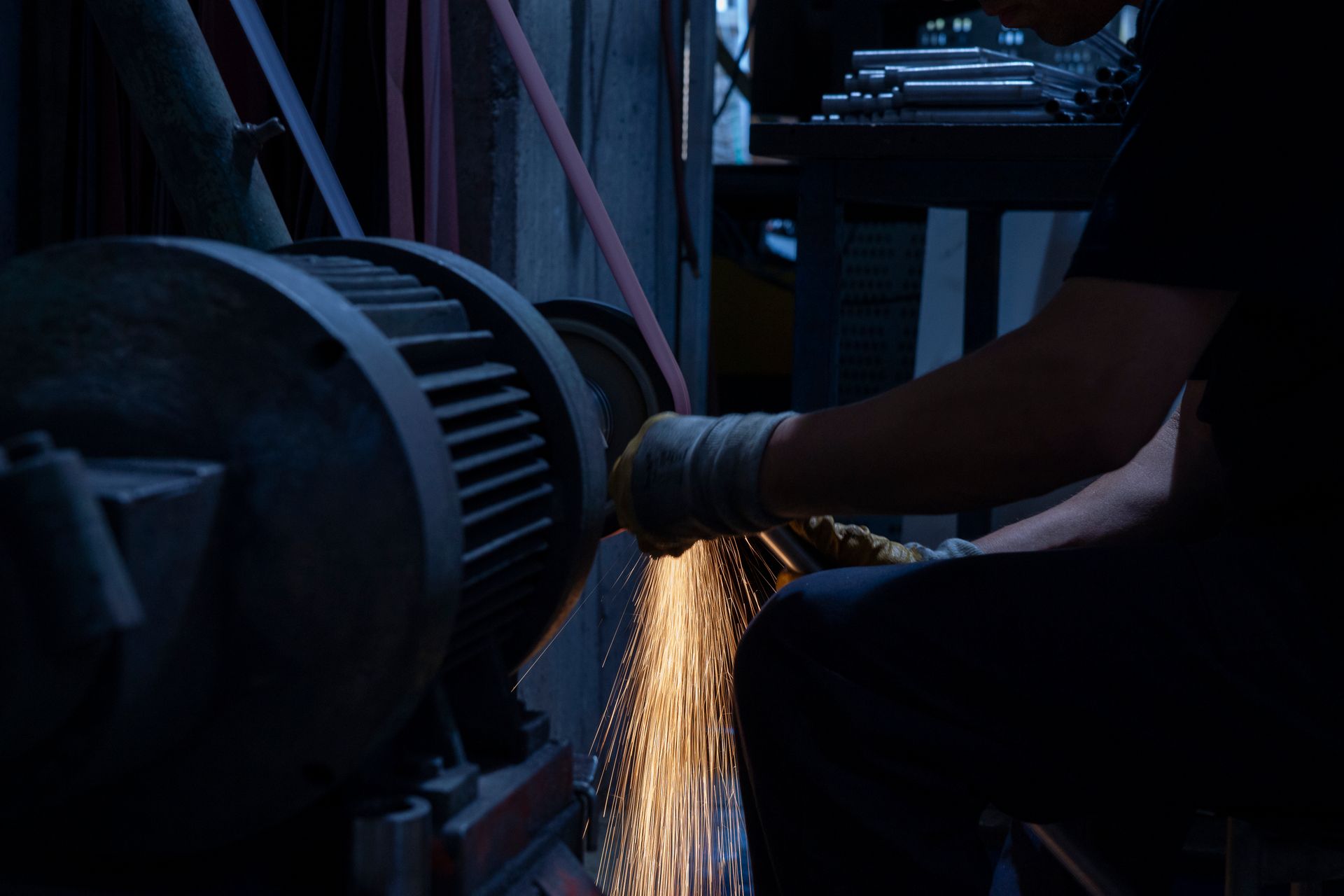
The arc is a channel of ionized air through which electric current passes from the electrode into the steel scrap. In the steel mill, columns of graphite electrodes screwed on top of each other are introduced and the arc is ignited, generating temperatures of around 3,500°C to rapidly melt the scrap.
Approximately one-third of the world's steel is produced via EAF, making it the largest recycling process globally. Compared to steel made using a basic oxygen furnace (BOF), the EAF process bypasses around 80% of direct CO2 emissions per ton of steel.
GRAPHITE ELECTRODES
KEY FEATURES.
Ultra-High Thermal Resistance
Designed to operate under extreme temperatures while maintaining structural integrity.
Superior Electrical Conductivity
Ensures efficient energy transfer for optimal furnace performance.
Optimized Consumption Rate
Engineered to reduce electrode consumption per ton of steel produced (~1–2 kg per ton).
Precision Engineering
Manufactured with tight tolerances for consistent quality and performance.
HOW IT WORKS.
Electric arc furnaces use graphite electrodes to generate an arc capable of reaching temperatures above 3,000°C, enabling rapid melting and efficient steel recycling.
Step 1
Load Scrap
Recycled steel scrap and raw materials are carefully loaded into the electric arc furnace chamber.